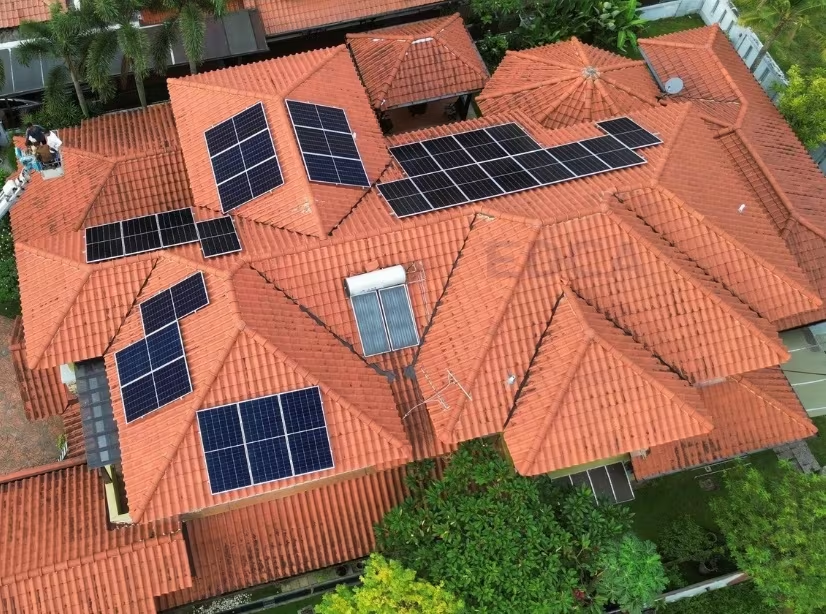
TL;DR: A good solar panel installer is judged on credentials, not sales talk. In Malaysia, insist on SEDA RPVSP registration, a valid Suruhanjaya Tenaga contractor licence, clear product and workmanship warranties, an itemised quote, and proof of past installs. Panels last 25 years — pick the installer who will still be around to honour that.
Most people shopping for solar in Malaysia obsess over the panel brand. That is the wrong starting point. Two homes can fit the exact same panels and get very different results, because the difference sits in the hands doing the work — the mounting, the wiring, the design sizing, and the paperwork with your utility. Choosing the right solar panel installer matters far more than chasing a logo on the module.
This guide walks you through exactly what to check before you sign anything: the licences that are legally required, how to read a quote so you compare like with like, what warranties should be on the table, and the red flags that separate a real EPCC contractor from a fly-by-night reseller. EDCA Energy has delivered 150+ solar projects across residential, commercial and industrial rooftops, so the checklist below reflects what actually goes wrong on site, not just theory.
If you want the wider picture of solar options first, browse our solar solutions overview, or start right here with what to look for in the company that will bolt panels to your roof. Before we dive in, the short video below sets the scene on what separates a solid installer from a risky one.
Watch: what to look for when choosing a solar installer
From Gary Does Solar, an independent UK solar educator. The warning signs are universal — Malaysian licensing and NEM specifics follow further down.
Source: Gary Does Solar on YouTube — What To Look For When Choosing A Solar Installer
1. Why your choice of solar panel installer matters most
Quick Answer: The installer decides whether your system is safe, correctly sized, and eligible for Net Energy Metering. Panels are commodities with similar specs across Tier 1 brands, but design, structural mounting, cabling and utility paperwork vary hugely between contractors — and that is where savings or problems are made.
A solar system is a 25-year asset bolted to your roof and wired into your main board. Get the panel brand slightly wrong and you lose a few percent of yield. Get the installer wrong and you risk water leaks, undersized cabling, a system that never passes inspection, or a NEM application that stalls for months. The panel is the easy part; the engineering and the paperwork are where value is won or lost.
This is also why price alone is a poor filter. A cheaper quote often means thinner cabling, a budget inverter, a weaker mounting structure, or no proper structural check on your roof. When you understand what a strong installer actually does, you can tell the difference between a genuine bargain and a corner-cut that will cost you later. For a broader view of the market, our guide to the best solar panel company in Malaysia is a useful companion, and the EDCA home page shows the range of systems we install.
Not sure where your roof stands?
A quick site review tells you your realistic system size, savings, and NEM eligibility before you commit. Get a free quote from EDCA Energy →
Key takeaway: Judge an installer on engineering and paperwork, not on the panel logo. The cheapest quote usually hides a compromise you will pay for over the system’s 25-year life.
2. Licences and accreditations every installer must hold
Quick Answer: In Malaysia, a legitimate solar panel installer must be a SEDA-registered PV Service Provider (RPVSP) and hold a valid electrical contractor licence from Suruhanjaya Tenaga. Without RPVSP registration, they cannot submit your Net Energy Metering application at all.
Credentials are not a nice-to-have — several are a legal requirement to connect solar to the grid. Ask for each of these in writing and check the reference number. A reputable contractor volunteers them; a reseller gets vague. Cross-check the RPVSP status against the official SEDA directory yourself so you are not relying on a screenshot.
| Credential | What it proves | Where to verify |
|---|---|---|
| SEDA RPVSP registration | Legally allowed to design, supply and submit your NEM application | SEDA Registered PV Service Provider directory |
| ST contractor licence | Authorised to carry out electrical installation works safely and legally | Suruhanjaya Tenaga licensing register |
| Competent wireman / chargeman | A licensed person actually does and signs off the wiring | Ask for the ST competency card number |
| CIDB registration | Recognised construction contractor for rooftop and structural work | CIDB contractor lookup |
| myHijau listing | Products and provider meet recognised green-tech standards | myHijau directory |
| Insurance (CAR & public liability) | You are covered if something is damaged during installation | Request the policy certificate |
Source: requirements framework per SEDA Malaysia RPVSP directory and Suruhanjaya Tenaga licensing. EDCA Energy is a SEDA-registered RPVSP.
The two non-negotiables are RPVSP and the ST licence. RPVSP is what lets an installer lodge your Net Energy Metering application, and the ST licence is what makes the electrical work legal and insurable. If a contractor cannot produce both, walk away — everything downstream, from your rebate eligibility to your home insurance, depends on them. You can read more about vetting on our solar solutions hub.
Key takeaway: RPVSP registration and an ST contractor licence are legal must-haves, not bonuses. Verify both numbers yourself against the official registers before you pay a deposit.
3. How to read and compare installer quotes fairly
Quick Answer: Compare quotes on system size (kWp), panel tier, inverter brand, mounting type, warranty terms and monitoring — not on the bottom-line price alone. A proper quote itemises every component so you can see what each ringgit buys. A one-line total is a warning sign.
The most common mistake is treating three quotes as three prices for the same thing. They rarely are. One installer may quote 6 kWp of Tier 1 panels with a hybrid inverter and full monitoring; another quotes 5 kWp of budget modules with a basic string inverter and no monitoring. Same “solar”, very different system. Line up the specs side by side before you compare the numbers.
Ask every installer to itemise: panel make, model and wattage; number of panels and total kWp; inverter brand and type; mounting and structural details; cabling and safety gear; monitoring; and every warranty in years. Then the comparison becomes honest. Our step-by-step guide on how to compare solar panel installation companies breaks this down further, and it pairs well with our shortlist of the best solar panel company in Malaysia.
Key takeaway: Normalise the specs before you compare prices. If a quote will not itemise components and warranties, you cannot trust its total — ask again or move on.
Want a quote you can actually compare?
EDCA gives you an itemised, component-by-component proposal with warranties spelled out. Get a free quote →
4. Why two solar quotes can differ so much
Quick Answer: A price gap between two quotes usually traces to panel tier, inverter choice, mounting quality, cabling and safety compliance, and aftercare. The chart below shows the typical share each factor contributes to a difference — most of the gap is component quality, not installer profit.
When one quote comes in noticeably cheaper, the saving is almost always coming out of a specific component. Knowing where helps you ask the right question instead of assuming the pricier installer is overcharging. The illustrative breakdown below reflects where the differences tend to sit across the quotes EDCA sees homeowners bring to us.
| Factor | Share of the gap | Relative size |
|---|---|---|
| Panel tier (Tier 1 vs budget) | 30% | |
| Inverter brand and type | 25% | |
| Mounting and structural works | 15% | |
| Cabling and safety compliance | 12% | |
| Warranty and aftercare cover | 10% | |
| Monitoring and smart features | 8% |
Illustrative model based on EDCA Energy project experience across 150+ Malaysian installs; shares vary per site. Figures are for context only — request a free quote for your actual numbers.
The pattern is clear: more than half of a typical gap is panel and inverter quality, and another quarter is mounting, cabling and safety. Those are precisely the parts you do not want cut. A slightly higher quote that buys Tier 1 panels, a reputable inverter and compliant wiring is usually the better 25-year decision.
Key takeaway: Most of a price gap is component quality — panels, inverter, mounting and safety. Cheaper usually means a downgrade somewhere, so find out where before you decide.
5. What warranties a trustworthy installer should stand behind
Quick Answer: Expect four separate warranties: panel product, panel performance, inverter, and installer workmanship. The workmanship warranty is the one many resellers skip — it covers the labour and the roof penetration, and it is only worth as much as the company standing behind it.
Warranties are where a strong installer and a weak one separate most clearly. Product warranties come from the manufacturer, but the workmanship warranty comes from the installer — so it is only as reliable as the installer’s longevity. A five-year workmanship promise from a company that may not exist next year is worth little. The table below shows typical market ranges against what a solid installer offers.
| Warranty type | Typical market range | What a strong installer offers | Why it matters |
|---|---|---|---|
| Panel product | 10–15 years | 12–25 years | Covers manufacturing defects in the module |
| Panel performance | 25 years | 25–30 years | Guarantees minimum output as panels age |
| Inverter | 5 years | 10–12 years | Inverters are the most likely part to need replacing |
| Installer workmanship | 1–2 years | 5–10 years | Covers labour, mounting and roof waterproofing |
Market-context ranges compiled for illustration; exact terms vary by brand and installer. Confirm every warranty in writing before signing.
Pay special attention to the workmanship line. A leak around a roof penetration or a loose mount will not be covered by the panel manufacturer — only by your installer. That is why an established EPCC contractor with a track record is worth a premium over a reseller offering the same panels. Explore the systems we back on our solar solutions page.
Key takeaway: Get all four warranties in writing, and weigh the workmanship warranty heaviest — it is only as good as the company that has to honour it years from now.
6. What a solar installation timeline looks like
Quick Answer: A typical Malaysian home solar project runs about four to eight weeks end to end. The physical install takes only one to three days — most of the timeline is the Net Energy Metering application and utility approval, which a good installer manages for you.
Knowing the timeline helps you spot an installer who is either overpromising (“switched on next week”) or disorganised. The bulk of the wait is not the panels going up — it is the authority approval and meter change. Here is how a standard project sequences out.
| Stage | Typical timing | What happens |
|---|---|---|
| Site assessment | Week 0 | Roof, load and bill reviewed; system sized |
| Design and quote | Week 1 | Itemised proposal, layout and savings estimate |
| NEM application | Weeks 2–6 | RPVSP submits to SEDA and utility for approval |
| Installation | 1–3 days | Mounting, panels, inverter and cabling fitted |
| Testing and commissioning | Same week | Safety checks and system verification |
| Meter change and switch-on | After approval | Bi-directional meter fitted; system goes live |
Indicative timeline; actual duration depends on utility processing and site complexity. NEM programme details per SEDA Malaysia.
A capable installer sets this expectation upfront and handles the SEDA and utility paperwork on your behalf. If someone quotes an unrealistically fast switch-on or expects you to chase approvals yourself, treat it as a red flag.
Ready to start the clock on your savings?
EDCA manages your NEM application and utility approval from assessment to switch-on. Get a free quote →
Key takeaway: Most of the four-to-eight-week timeline is NEM approval, not installation. A good installer owns that paperwork so you do not have to.
7. Red flags and the questions to ask before signing
Quick Answer: Walk away from any installer who cannot show RPVSP registration, refuses to itemise the quote, pressures you with “today only” pricing, has no verifiable past installs, or demands full payment upfront. A real EPCC contractor answers every question in writing.
Before you sign, run through a short list of direct questions. The answers — and how willingly they are given — tell you almost everything. Watch for these warning signs:
- No RPVSP or ST licence on request. A dealbreaker; they legally cannot complete your NEM connection.
- One-line quote, no breakdown. You cannot verify what you are buying or compare fairly.
- High-pressure discounts. “Sign today or the price goes up” is a sales tactic, not solar engineering.
- No past projects to show. No site photos, references or portfolio means no track record.
- Full payment demanded upfront. Staged payments tied to milestones are the norm.
- Vague on warranties. Especially the workmanship warranty and who honours it.
Then ask directly: What is your RPVSP and ST licence number? Can I see three recent installs near me? Who does the actual wiring and are they a licensed chargeman? What exactly does your workmanship warranty cover and for how long? A confident contractor welcomes these. For a structured method, use our guide on how to compare solar panel installation companies side by side.
Key takeaway: Willingness to answer is the test. Licences, itemised quotes, references and staged payments are all things a genuine installer provides without hesitation.
8. Conclusion: choose the installer, then the panel
The best panel in the world underperforms on a badly designed, poorly wired system. So flip the usual order: choose your solar panel installer first, on credentials, quote transparency, warranties and track record — then let a trustworthy contractor recommend the right components for your roof and budget. Verify RPVSP and ST licensing, insist on an itemised quote, weigh the workmanship warranty heavily, and treat pressure tactics as your cue to leave.
Get those checks right and solar becomes what it should be: a low-risk, 25-year saving on your electricity bill. EDCA Energy is a SEDA-registered RPVSP with 150+ projects across Malaysian homes, businesses and factories — see the full range on our solar solutions hub.
9. Frequently asked questions
What licence must a solar panel installer have in Malaysia?
They must be a SEDA-registered PV Service Provider (RPVSP) and hold a valid electrical contractor licence from Suruhanjaya Tenaga. RPVSP registration is what lets them submit your Net Energy Metering application, and the ST licence makes the electrical work legal. Always verify both numbers against the official registers.
Is the cheapest solar installer usually the best value?
Rarely. Most of a price gap between quotes comes from panel tier, inverter quality, mounting and safety compliance — the parts you least want cut. A slightly higher quote that buys Tier 1 panels, a reputable inverter and a longer workmanship warranty is usually the better 25-year decision.
How long does a home solar installation take?
Around four to eight weeks end to end. The physical installation is only one to three days; the rest is the Net Energy Metering application and utility meter change, which a good installer handles for you.
Which warranty matters most when choosing an installer?
The workmanship warranty. Panel and inverter warranties come from manufacturers, but the workmanship warranty — covering labour, mounting and roof waterproofing — comes from the installer and is only as reliable as the company standing behind it.
How can I verify an installer’s credentials myself?
Check their RPVSP status on SEDA’s Registered PV Service Provider directory, confirm the contractor licence on the Suruhanjaya Tenaga register, and ask for the competent wireman’s card number, CIDB registration and insurance certificate. Reputable installers share these without hesitation.
Get a solar installer you can actually verify
EDCA Energy is a SEDA-registered RPVSP with 150+ installs, itemised quotes and warranties in writing. Tell us about your roof and we will send a free, no-obligation proposal.
Get a Free QuoteSee your solar savings in under a minute
Estimate your ideal system size, payback period and monthly bill offset with the EDCA calculator.