Renewable Energy Certificates (RECs) Malaysia
Prove your power is renewable with RECs — including Malaysia’s own RECs — or generate it yourself with solar. EDCA Energy helps Malaysian businesses do both, and buy fewer certificates along the way.
A renewable energy certificate in Malaysia proves that 1 MWh of your electricity came from a renewable source. The national brand is RECs, issued by TNBX and traded on the mGATS platform. Buy certificates to back an ESG, RE100 or export claim, or install your own solar and keep the attribute. EDCA Energy helps Malaysian businesses do both: generate clean power on-site and match the rest with certificates.
Struggling to meet your renewable energy and ESG targets? RECs help businesses address renewable electricity goals even when on-site solar alone is not enough.
Two companies can buy the exact same electricity from the grid, yet only one can honestly say it runs on renewable power. The difference is a certificate. Once solar, hydro or biogas electricity flows into the shared TNB grid, it mixes with everything else and becomes untraceable. A renewable energy certificate in Malaysia is the paper trail that puts the “green” back onto a specific megawatt-hour, so a business can claim it without double counting.
This page explains how renewable energy certificates work in the Malaysian market, the three routes to a credible renewable claim, how many certificates a business typically needs, and where on-site solar fits in. It is written for finance, sustainability and operations teams weighing up RECs, the Green Electricity Tariff, and building their own solar plant.
On this page
What is a renewable energy certificate in Malaysia?
Quick answer: A renewable energy certificate is a tradable record that 1 megawatt-hour (MWh) of electricity was generated from a renewable source and fed into the grid. In Malaysia the certified brand is RECs, issued by TNBX and registered on the mGATS platform. One certificate equals one MWh of clean generation and its environmental attributes.
Think of the certificate and the electricity as two separate things. The electrons flow through the wires and power your building; the renewable attribute (the proof that those electrons were clean) is captured as a certificate. That split is what lets renewable generation be tracked, owned and claimed on a shared grid. The US EPA describes a certificate as the market instrument that assigns ownership of renewable generation, and the same logic applies in Malaysia. In the Malaysian market, the key terms are:
A Renewable Energy Certificate (REC) is a tradable instrument that represents the environmental attributes of 1 megawatt-hour (MWh) of electricity generated from a renewable energy source.
When a business purchases and retires a REC, it obtains the associated renewable energy attributes for its electricity consumption. This allows companies to support renewable energy use and substantiate eligible renewable electricity claims without physically receiving electricity from a dedicated renewable power plant.
A REC separates the renewable attribute from the physical electricity. It gives businesses a recognised way to account for renewable electricity consumption, even when the electricity they physically use comes through the shared grid.
1 REC = 1 MWh
Each REC represents the renewable attributes of one megawatt-hour of generation.
Renewable source
RECs can originate from eligible renewable sources such as solar, hydro and biogas.
Transferable certificate
The certificate can be purchased and transferred separately from the physical electricity.
Supports renewable claims
Retired RECs can support eligible corporate renewable energy and sustainability claims.
RECs
Malaysia Renewable Energy Certificate, the certified national brand issued by TNBX, a subsidiary of Tenaga Nasional Berhad.
mGATS
The Malaysia Green Attribute Tracking System, the official platform where certificates are registered, traded and retired.
GET
The Green Electricity Tariff, a subscription route to renewable electricity backed by RECs.
Retirement
Permanently claiming a certificate so no one else can use it. A claim only counts once the certificate is retired in your name.
Key takeaway: A renewable energy certificate in Malaysia is one MWh of clean generation turned into a claimable, auditable record. RECs is the certified brand and mGATS is the market: buy and retire certificates there, or generate your own solar and keep the attribute.
How do RECs work?
Quick answer: A renewable facility generates electricity, the matching renewable attributes are issued as RECs at one REC per MWh, a business buys the RECs that fit its targets, and the certificates are retired in the registry so the same attribute cannot be claimed twice. The retired REC is what supports the renewable energy claim.
From renewable generation to a verified environmental attribute. RECs provide a structured way for businesses to purchase and account for renewable energy attributes associated with their electricity consumption.
Renewable energy generated
A certified renewable energy facility generates electricity from sources such as solar, hydro or biogas.
REC issued
The corresponding renewable energy attributes are recorded as RECs, with each REC representing 1 MWh of renewable electricity generation.
Business purchases REC
A company purchases RECs that match its renewable energy or sustainability objectives.
REC retired
The REC is retired in the relevant registry, preventing the same renewable attribute from being claimed again.
Renewable energy claim
The retired REC supports eligible corporate renewable energy and sustainability claims.
1 REC = 1 MWh of renewable electricity generation. RECs represent the environmental attributes of renewable energy and can be traded separately from the physical electricity.
Key takeaway: Generation, issuance, purchase, retirement, claim. The retirement step is the one that matters: until a certificate is retired in your name, the attribute is not yours to claim.
What are RECs?
Quick answer: A REC is a Malaysia Renewable Energy Certificate — a REC tied to renewable electricity generated in Malaysia, issued by TNBX and registered on the mGATS platform. One REC represents 1 MWh, the same unit as any other REC.
RECs give businesses access to Malaysia-generated renewable energy attributes. It is a practical option for companies that want to support renewable energy targets but cannot generate enough renewable energy through their own facilities.
1 MWh = 1 REC
Each certificate represents 1 MWh of renewable electricity generation.
Verified & traceable
Unique certificates and retirement records provide an auditable trail.
Malaysia-generated
Support renewable energy generated from projects in Malaysia.
Support ESG goals
Help businesses progress toward renewable energy and Scope 2 targets.
Key takeaway: RECs are Malaysia’s own renewable energy certificates. Same one-megawatt-hour unit, same retirement logic, with the generation and the registry sitting inside Malaysia.
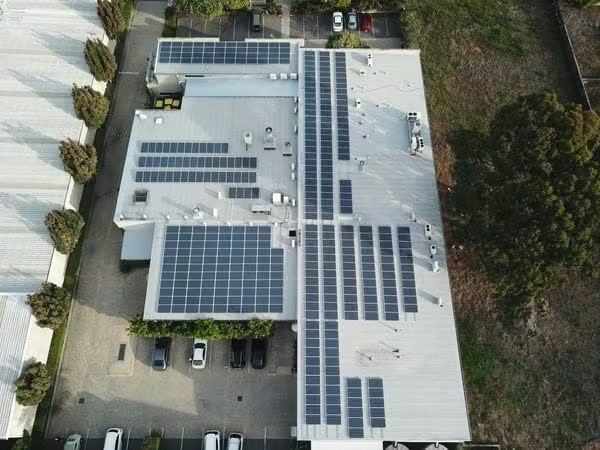
On-site solar gives you the renewable attribute at source, so certificates only have to cover the gap.
The market backdrop: Malaysia's renewable energy targets
Quick answer: Demand for renewable energy certificates in Malaysia is rising because national policy is pushing renewables into the grid. The National Energy Transition Roadmap targets 31% renewable share of installed capacity by 2025, 40% by 2035 and 70% by 2050, a widening pool of clean generation that certificates track.
Malaysia’s certificate market does not exist in a vacuum. It grows alongside the country’s official renewable energy targets. As more solar and hydro capacity connects to the grid, more certificates become available, and more companies want them to back their own claims. The trajectory below comes from Malaysia’s National Energy Transition Roadmap.
2025 · 31%
Baseline commitment already in motion.
2035 · 40%
Mid-term ramp; a larger certificate supply.
2050 · 70%
Net-zero-aligned; renewables dominate.
Source: MIDA, National Energy Transition Roadmap (NETR). Targets are RE share of installed capacity.
For a business, the message is simple: renewable procurement is only going to get more mainstream and more scrutinised. Locking in an on-site solar plant now, for example a large scale solar farm or rooftop system, secures both the electricity savings and the renewable attribute before demand tightens.
Key takeaway: National targets of 31% by 2025 rising to 70% by 2050 mean a deepening pool of renewable generation. Certificates are the tool that lets your business claim a slice of it, and early on-site solar locks in the attribute cheaply.
RECs, GET or on-site solar: three routes to a renewable claim
Quick answer: There are three main ways to make a renewable claim in Malaysia. Buy unbundled RECs on mGATS; subscribe to the Green Electricity Tariff (GET), which bundles renewable electricity with certificates; or generate your own solar on-site and keep the attribute. Most companies use a mix.
Each route answers a different question: flexibility, simplicity, or cost control. Here is how they compare.
Buy and retire certificates on mGATS, separate from your electricity bill.
Best for: Covering consumption you cannot generate on-site; flexible volumes.
Cost: Pay per certificate; no infrastructure.
Subscribe through TNB; renewable electricity comes bundled with RECs, per TNB.
Best for: Simplicity; a hands-off green claim on your bill.
Cost: A small premium per kWh, tiered by commitment length.
Generate your own power and keep the renewable attribute you produce.
Best for: Cutting bills and owning clean generation directly.
Cost: Upfront or financed system; lowest long-run cost per MWh.
Route descriptions compiled by EDCA Energy from mGATS and TNB programme information. GET is backed by the internationally recognised RECs / I-REC standard, per I-TRACK Foundation.
The routes are not mutually exclusive. A common pattern is on-site solar for the cheapest baseline renewable supply, then unbundled RECs to cover the remaining grid consumption you cannot generate yourself.
Key takeaway: Certificates (RECs), a green tariff (GET) and on-site solar are three routes to the same goal. On-site solar gives the lowest cost per MWh; certificates give flexible top-up coverage. Most Malaysian firms blend them.
Want your exact certificate number?
We size it against your real bills, then show how much on-site solar can shrink it.
How many renewable energy certificates does your business need?
Quick answer: Your certificate need equals your annual electricity use in MWh, because one certificate covers one MWh. A small office using around 50 MWh a year needs about 50 certificates for a full renewable claim; a large factory using 10,000 MWh needs about 10,000. On-site solar reduces the certificates you must buy.
Your REC requirement is based on how much electricity your business consumes. For most businesses, the starting point is your electricity consumption in MWh. Since 1 REC represents 1 MWh of renewable electricity generation, you can estimate the number of RECs needed by matching your eligible electricity consumption with the amount of renewable energy you want to claim.
Annual electricity consumption (MWh) ÷ 1 MWh per REC = RECs required to match your selected renewable energy target.
Illustrative annual certificate need by business size (1 REC = 1 MWh)
What determines your REC requirement?
Electricity consumption
Review your electricity bills or energy data to determine annual consumption.
Renewable energy target
Decide how much of your electricity consumption you want to match with renewable energy attributes.
Reporting requirements
Consider your ESG, sustainability and Scope 2 reporting requirements when selecting and applying RECs.
Certificate criteria
Consider factors such as location, technology, certificate vintage and applicable reporting criteria when procuring RECs. The GHG Protocol specifies quality criteria for contractual instruments used for market-based Scope 2 accounting.
Not sure how many RECs your business needs? Share your annual electricity consumption with us and we can help you determine an appropriate REC requirement for your renewable energy and reporting objectives.
Illustrative scenario modelled by EDCA Energy from typical Malaysian commercial and industrial consumption. Bar lengths are indicative, not to exact scale. Your real number depends on your metered usage. Request a free assessment for an exact figure.
Key takeaway: One certificate covers one MWh, so your annual MWh use is your certificate target. On-site solar cuts that number directly: every MWh you generate is a certificate you do not have to buy.
Why Malaysian companies buy renewable energy certificates
Quick answer: Malaysian companies buy renewable energy certificates for four reasons: to meet corporate renewable energy and net-zero targets, to support market-based Scope 2 reporting, to strengthen ESG performance, and to access renewable attributes when on-site solar is limited by space or site constraints. Each needs an auditable, certificate-backed claim rather than an unverified statement.
Not every business can generate enough renewable energy on-site. Limited roof space, operational requirements and access to renewable electricity can make it difficult to meet corporate renewable energy targets. RECs provide an additional pathway for businesses to support renewable electricity procurement and their sustainability objectives.
Meet renewable energy targets
Support corporate commitments to renewable electricity and net-zero goals.
Support Scope 2 reporting
Qualifying RECs can support market-based Scope 2 accounting for electricity consumption.
Strengthen ESG performance
Demonstrate measurable progress towards corporate sustainability commitments and stakeholder expectations.
Overcome site limitations
Access renewable energy attributes even when on-site solar is limited by space, building constraints or other practical factors.
Buying certificates alone is valid, but pairing your own industrial solar generation with certificates tells a far more credible story to customers and auditors.
Key takeaway: Renewable energy targets, Scope 2 reporting, ESG performance and site limitations are the four reasons Malaysian companies buy certificates. The most defensible strategy pairs on-site solar with RECs rather than relying on certificates alone.
Generate what you can on-site for the lowest cost per MWh, then top up with RECs for a claim that holds up to scrutiny.
How EDCA Energy helps you own the renewable attribute
Quick answer: EDCA Energy is a SEDA-registered solar EPCC provider that helps Malaysian businesses generate their own renewable power, so you own the attribute at source and buy fewer certificates. With 500+ projects and 10+ MWp installed, EDCA designs, builds and maintains solar that underpins a credible renewable claim.
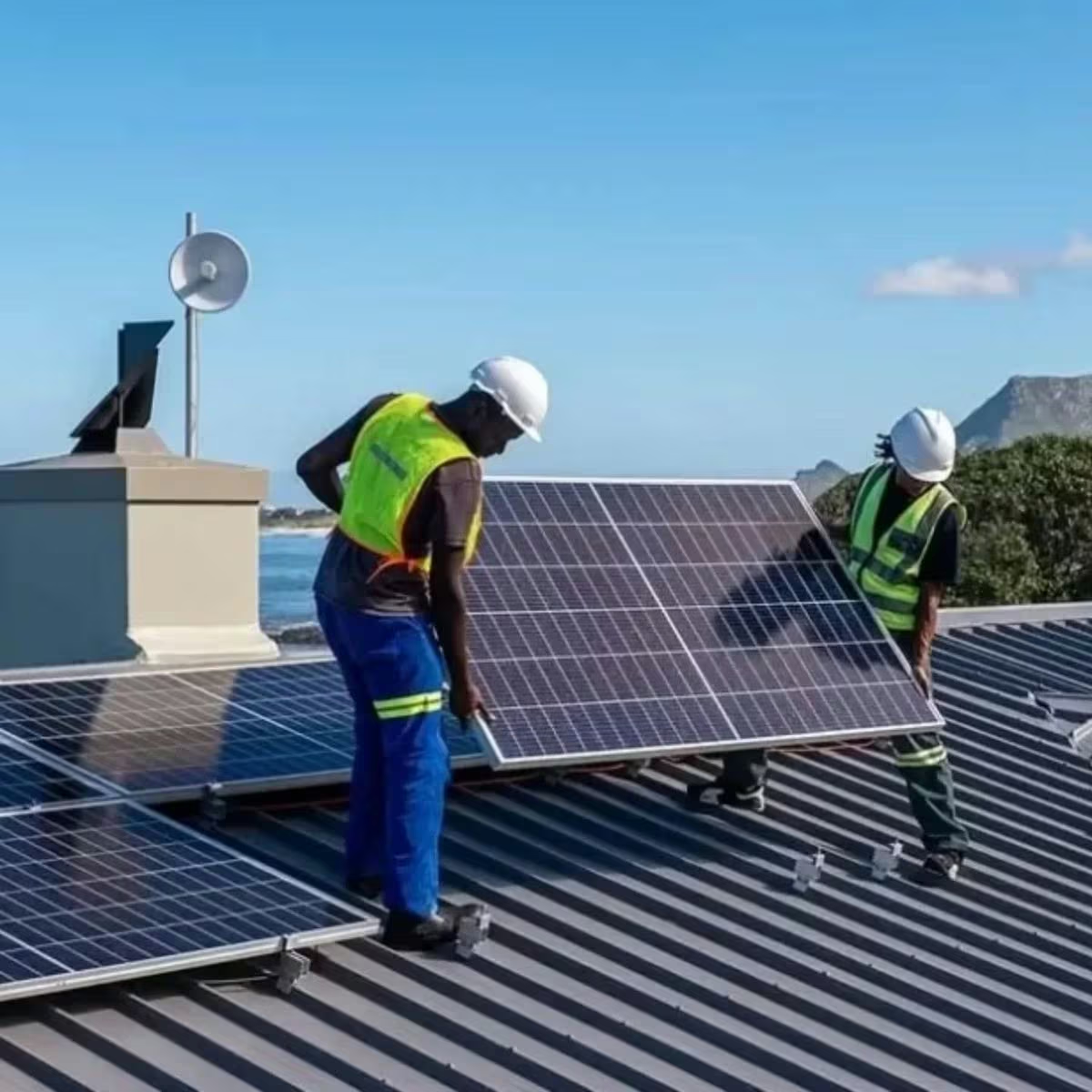
Certificates are a tool, not a strategy. The strongest, lowest-cost renewable claim starts with generating clean power yourself, then using certificates only to cover the gap. As a SEDA-registered Photovoltaic Service Provider (RPVSP), EDCA Energy handles the engineering side that makes that possible.
Solar generation at source
Rooftop, ground-mount and large-scale systems that produce renewable electricity you own, reducing the certificates you need to buy.
Full EPCC delivery
Engineering, procurement, construction and commissioning under one accountable team, backed by 500+ completed projects and 10+ MWp installed.
Long-term performance
Ongoing solar panel maintenance keeps generation, and your renewable output, at its rated level year after year.
Accreditation you can cite
SEDA registration, myHijau listing and Energy Commission compliance support audit-ready claims.
Whether you run a single factory or a multi-site group, the same logic holds: generate first with EDCA’s solar solutions, then top up with certificates. That is how a renewable energy certificate strategy in Malaysia stays both credible and cost-controlled.
Key takeaway: EDCA Energy generates the renewable attribute at source through owned solar, so you buy fewer certificates and hold a stronger claim. Solar first, certificates to close the gap.
RECs: from generation to corporate impact
Quick answer: RECs create value on both sides of the market. Corporate buyers use them to account for renewable electricity and support Scope 2 reporting; renewable project owners generate RECs alongside their electricity and monetise the attributes as a second revenue stream.
RECs create value on both sides of the renewable energy market — helping businesses meet their goals and project owners unlock new opportunities. One market, shared impact.
Turn renewable energy goals into action
RECs help businesses account for renewable energy attributes and support Scope 2 reporting and sustainability commitments.
Turn renewable generation into additional value
Generate RECs alongside electricity and create an additional revenue stream from the renewable energy attributes you produce.
RECs create value on both sides of the renewable energy market: corporate consumers meeting renewable targets, and project owners monetising the attributes they generate.
Key takeaway: If you consume electricity, RECs are a procurement tool. If you generate renewable electricity, they are a second revenue stream from power you are already producing.
RECs for ESG and Scope 2 reporting
Quick answer: For businesses buying grid electricity, qualifying RECs are contractual instruments that can be used to account for renewable electricity attributes under the market-based Scope 2 method, provided they meet the applicable quality criteria.
Support your renewable energy & ESG goals. For businesses that purchase electricity from the grid, Renewable Energy Certificates can provide contractual instruments for accounting for renewable electricity attributes under the market-based Scope 2 method, provided the certificates meet the applicable quality criteria.
Scope 2 accounting
Support market-based Scope 2 emissions reporting with qualifying RECs.
Renewable energy targets
Use RECs to support corporate renewable electricity commitments.
ESG reporting
Strengthen renewable energy data and sustainability disclosures.
Traceable & verifiable
Use certificates with clear ownership and retirement records to support credible claims.
How RECs support ESG and Scope 2 reporting
Renewable electricity
Renewable energy is generated by a qualifying project.
REC issued
The associated renewable energy attributes are documented through the relevant certificate system.
Company purchases & retires
The company purchases and retires qualifying RECs for its intended reporting period.
ESG & Scope 2 reporting
The retired certificates can support eligible renewable energy claims and market-based Scope 2 accounting.
RECs address the renewable energy attributes associated with electricity consumption — not the physical delivery of electricity.
Key takeaway: RECs cover the attribute, not the electrons. That distinction is exactly what makes market-based Scope 2 accounting work, and why certificate quality criteria matter.
Build your renewable claim on solid ground
A renewable energy certificate in Malaysia turns clean generation into a claim your business can prove. The RECs brand and the mGATS market make that claim credible and auditable, and the Green Electricity Tariff offers a simpler subscription route. But the cheapest, most defensible megawatt-hour is the one you generate yourself. Start with on-site solar, size your remaining certificate need against your real usage, and you get a renewable strategy that survives scrutiny without overpaying.
EXCELLENT Based on 10 reviews
 Posted on Google

 Jamhuri JamaluddinI had a very good experience with EDCA. I managed to install 2 solar units just in time to secure the NEM quota, and now NEM has been replaced with ATAP scheme. The whole process was smooth, and everything was explained clearly from the beginning. The team was professional and helpful throughout. My TNB bill has dropped to almost zero. Most months, I only pay the minimum charge of around RM1 to RM3, depending on my electricity usage. Depends on the kWp that you are taken. Special thanks to Julia Cheah, the sales agent who assisted me. She was excellent, friendly, knowledgeable, and always ready to help. After-sales service very excellent. Highly recommended if you’re considering going solar.Posted on Google
 Geok See OngVery informative, helpful and knowledgeable during and after installation. Many special thanks to Jass for overseeing the whole installation.Posted on Google
 Jaeden WThank you to Jass Lee for making the whole process easy and efficient. It was a pleasant experience and was made even smoother with her explanation and updates throughout the entire process, would highly recommend to anyone considering installing solar panels. - Cheryl ChongPosted on Google
 Jing Chuan安装好大概半年了才放心留言推荐,现在市面上太多太阳能公司了不懂要选哪一家,一开始找了不同人来quote 到最后选edca主要是因为他们不会乱推荐一些不适合我的产品,我看到一些quotation要加这个那个的我都怕之后很多hidden cost,对接我的salesperson - Ms Loo也很nice,很有耐心回答问题,最重要是解释起来我们外行人都可以很容易明白👍 整体来说是一次很放心的体验,如果有朋友想装太阳能,我会推荐他们。Posted on Google
 Alice LeeThe whole process was smooth and easy. The team was friendly, helpful, and quick to get everything done. Highly recommend if you're thinking about going solar
Frequently asked questions
What is a renewable energy certificate in Malaysia?
It is a tradable record proving that 1 megawatt-hour (MWh) of electricity was generated from a renewable source and fed into the grid. The certified national brand is RECs, and certificates are registered and traded on the mGATS platform. Retiring a certificate in your name lets you claim that renewable megawatt-hour without anyone else double counting it.
What are RECs and who issues them?
RECs stand for Malaysia Renewable Energy Certificates. It is the certified national brand issued by TNBX, a subsidiary of Tenaga Nasional Berhad, and follows the internationally recognised I-REC standard. Each REC represents one MWh of renewable generation registered on mGATS.
What is the difference between RECs and the Green Electricity Tariff (GET)?
An unbundled REC is a certificate you buy separately from your electricity, giving you flexibility over volume and timing. The Green Electricity Tariff is a subscription through TNB that bundles renewable electricity with RECs on your bill for a small premium. RECs suit flexible top-ups; GET suits a simple, hands-off green claim.
Do I still need certificates if I install solar panels?
Only for the electricity you do not generate yourself. Every MWh your solar system produces already carries its own renewable attribute, so you own it directly with no purchase needed. You would only buy certificates to cover the remaining grid electricity you still draw. This is why pairing on-site solar with certificates is usually the cheapest route to a full renewable claim.
How many renewable energy certificates does my business need?
Roughly one certificate for every MWh of electricity you use in a year, for a 100% renewable claim. A small office near 50 MWh needs about 50 certificates; a large plant near 10,000 MWh needs about 10,000. On-site solar reduces that number, and a free EDCA assessment gives you the exact figure from your metered usage.
How do RECs work?
Renewable electricity is generated and the associated environmental attributes are issued as certificates. Businesses can purchase and retire eligible RECs to support renewable energy claims and applicable reporting objectives.
Can RECs reduce my company's Scope 2 emissions?
Qualifying RECs can support market-based Scope 2 accounting, provided they meet the applicable quality criteria and reporting requirements.
How can my company buy RECs in Malaysia?
Businesses can procure RECs through recognised REC markets and providers, depending on the required location, technology, certificate vintage and reporting criteria. In Malaysia, RECs are issued by TNBX and registered on the mGATS platform.
Are RECs suitable for ESG reporting?
RECs can support corporate renewable energy and sustainability objectives and may form part of ESG and Scope 2 reporting, subject to the relevant reporting framework and certificate criteria.
Ready to build a renewable claim you can stand behind?
EDCA Energy designs solar that generates the attribute at source, then helps you plan the certificate top-up. Get a tailored assessment for your site, no obligation.