Industrial Solar Panel Installation Malaysia
Turn factory and warehouse roofs into on-site power plants that cut your biggest operating cost and lower your maximum-demand charges, engineered by a SEDA-registered (RPVSP) solar EPCC provider from hundreds of kWp to megawatt scale.
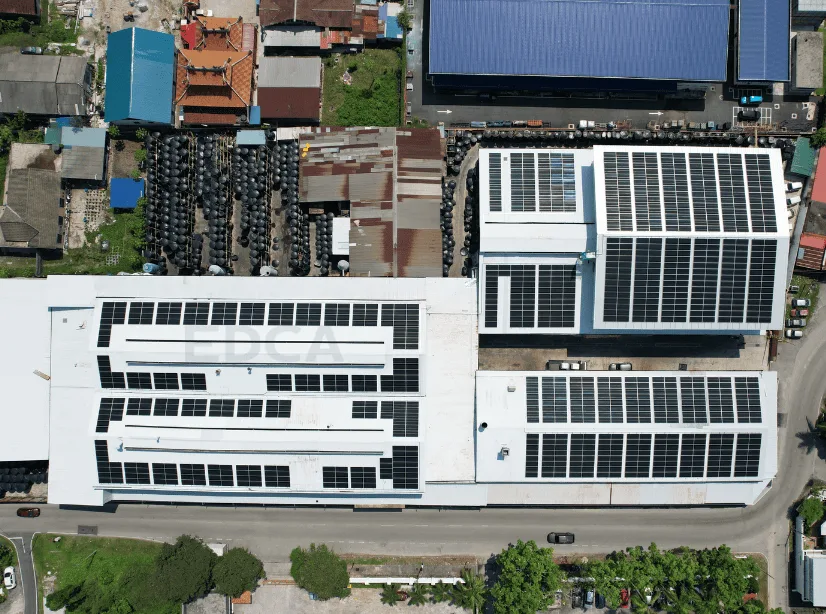
Industrial solar panel installation in Malaysia turns factory and warehouse roofs into on-site power plants that cut your biggest operating cost and lower your maximum-demand charges. EDCA Energy is a SEDA-registered (RPVSP) solar EPCC provider that designs, builds, and commissions rooftop systems from hundreds of kWp to megawatt scale. With self-consumption (SelCo) now the main route and GITA still available, solar also answers the clean-energy demands from your buyers. Book a free site assessment and quote for your plant.
For a Malaysian manufacturer, electricity is often the largest controllable cost on the floor, and it is charged on both energy used and peak demand. Industrial solar panel installation Malaysia lets your plant generate its own power through the working day, exactly when your machines, chillers, and compressors pull the hardest. As a SEDA-registered solar EPCC provider, EDCA Energy has completed 200+ projects and installed 4+ MWp across residential, commercial, and industrial sites. This page explains how industrial rooftop solar works, how to size a system for a factory load, how SelCo and demand charges shape your returns, and why manufacturers choose EDCA.
On this page
Why should Malaysian factories install industrial solar now?
Quick answer: A factory roof is usually a wide, empty surface sitting above a plant that runs on expensive daytime power. Industrial solar closes that gap by generating electricity exactly when your production line draws it. Pairing that with EDCA’s solar solutions means lower running costs, a hedge against tariff hikes, and the clean-energy proof your buyers increasingly demand.
Most industrial sites have two things solar loves: a very large roof and a heavy daytime load. Your equipment runs hardest during shift hours, which is exactly when the panels produce the most. Every unit you self-generate is a unit you do not buy from TNB at the industrial tariff.
High, steady daytime load
Factories consume power all through the working day, so a large share of solar output is used on-site at full value.
Rising industrial tariffs
Solar caps a cost that otherwise only climbs, giving you a predictable energy line for decades.
Buyer & supply-chain pressure
Multinationals, exporters, and RE100 members increasingly require suppliers to prove clean-energy use.
Large roofs, large systems
Warehouse and factory sheds support systems from hundreds of kWp into the megawatt range, so the savings scale with your load.
Key takeaway: Industrial solar in Malaysia works because your load runs all day, tariffs keep rising, and buyers now reward clean energy. A big roof plus a heavy daytime load is the ideal case for solar.
Which industries does EDCA install industrial solar for?
Quick answer: EDCA installs industrial solar across Malaysian manufacturing, warehousing and logistics, cold storage, chemical and pharmaceutical plants, food and beverage production, metal and engineering works, data centres, agriculture and heavy processing. What decides the return is your load profile, not your sector: the more power your plant draws while the sun is up, the harder solar works.
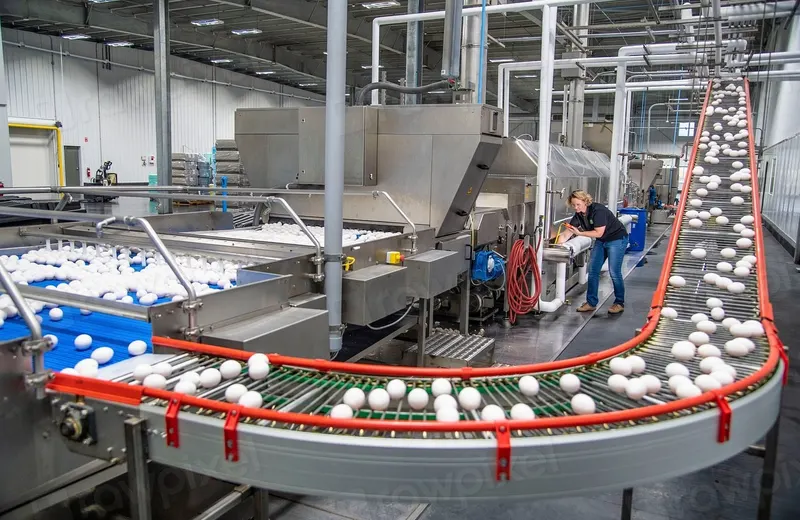
Manufacturing plants
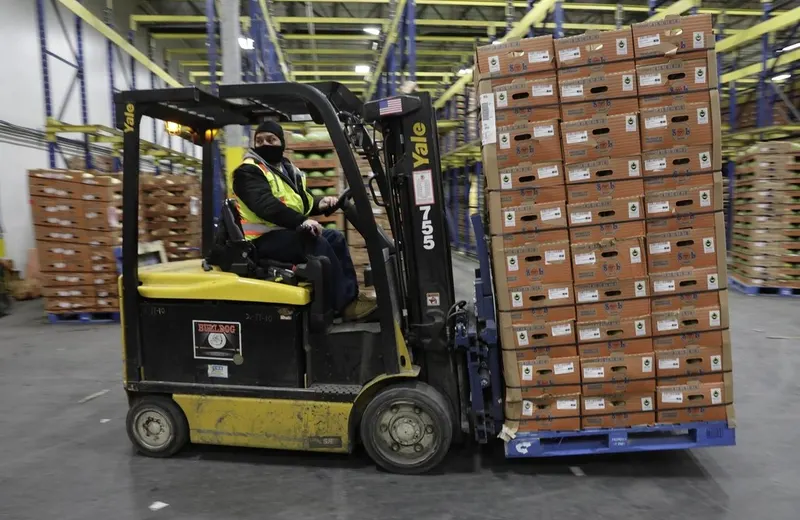
Warehouses & logistics hubs

Cold storage & cold chain
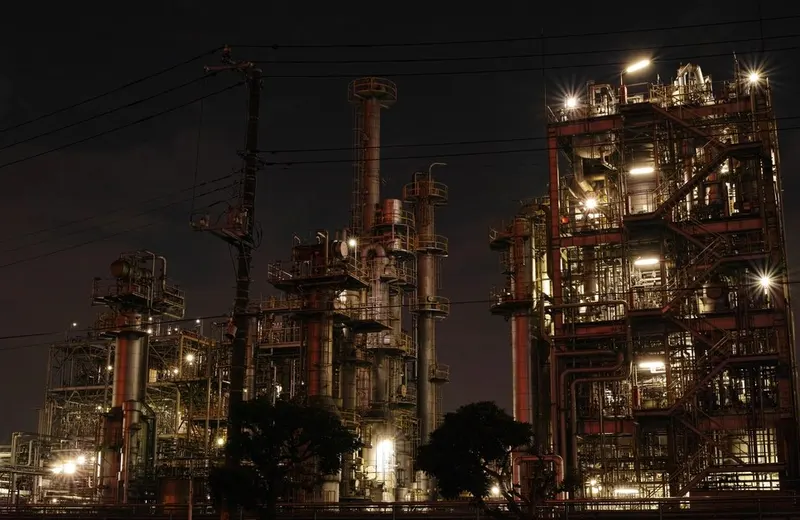
Chemical & pharmaceutical plants
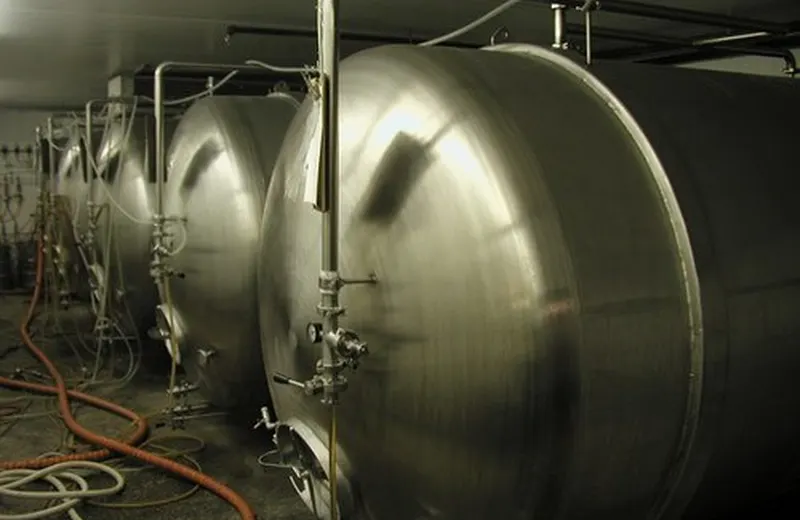
Food & beverage manufacturing

Metal & engineering industries
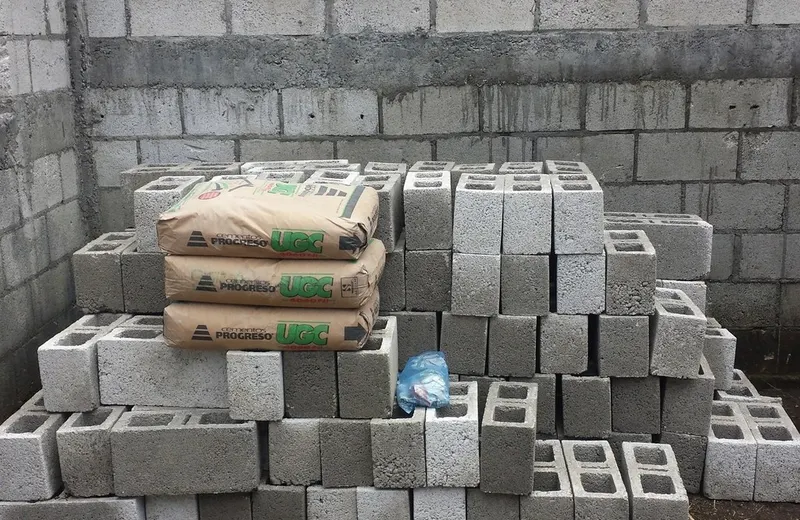
Construction materials & building products

Data centres
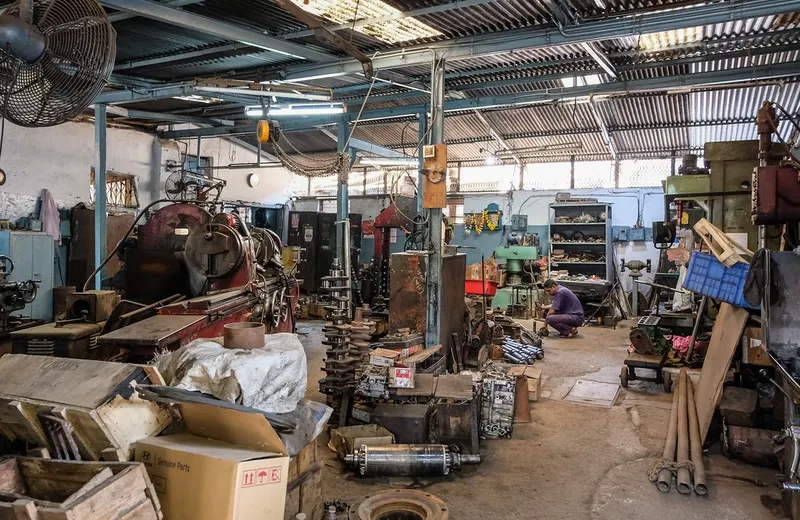
Industrial workshops & service centres

Agriculture & agro-processing
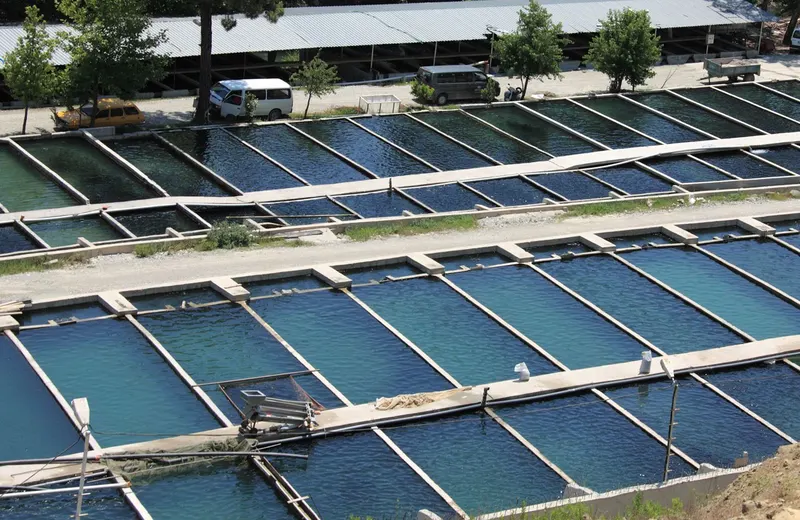
Aquaculture & fisheries
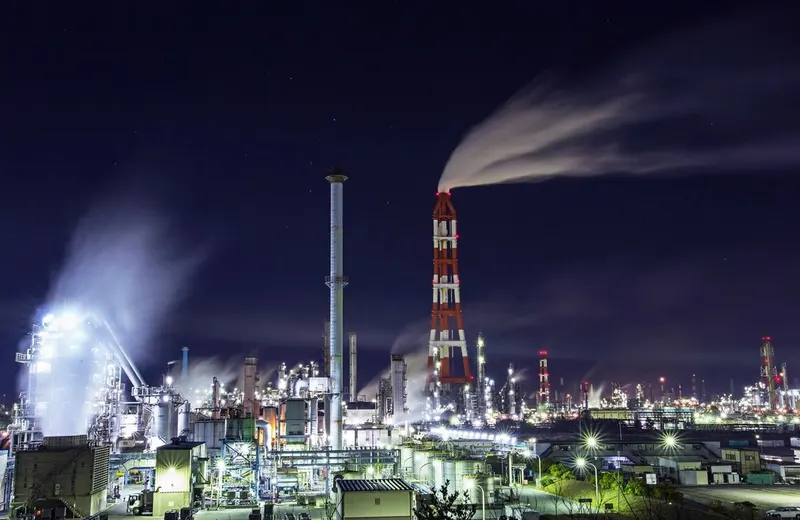
Heavy industries & processing plants
Key takeaway: Any plant with a large roof and a daytime or continuous load is worth costing. EDCA sizes the array around your demand profile and shift pattern, then models the saving before you commit.
What does an EDCA industrial solar installation include?
Quick answer: EDCA runs the full EPCC scope in-house, so one team handles engineering, procurement, construction, and commissioning. The EDCA Energy team manages your project from the first structural survey to a switched-on, monitored system, without subcontracting the accountability away.
An industrial installation is a serious engineering project on a live production site. Each step protects the quality and safety of the one before it.
Application & approvals
We handle the ATAP application and the required documentation with TNB and the relevant authorities on your behalf.
Construction & installation
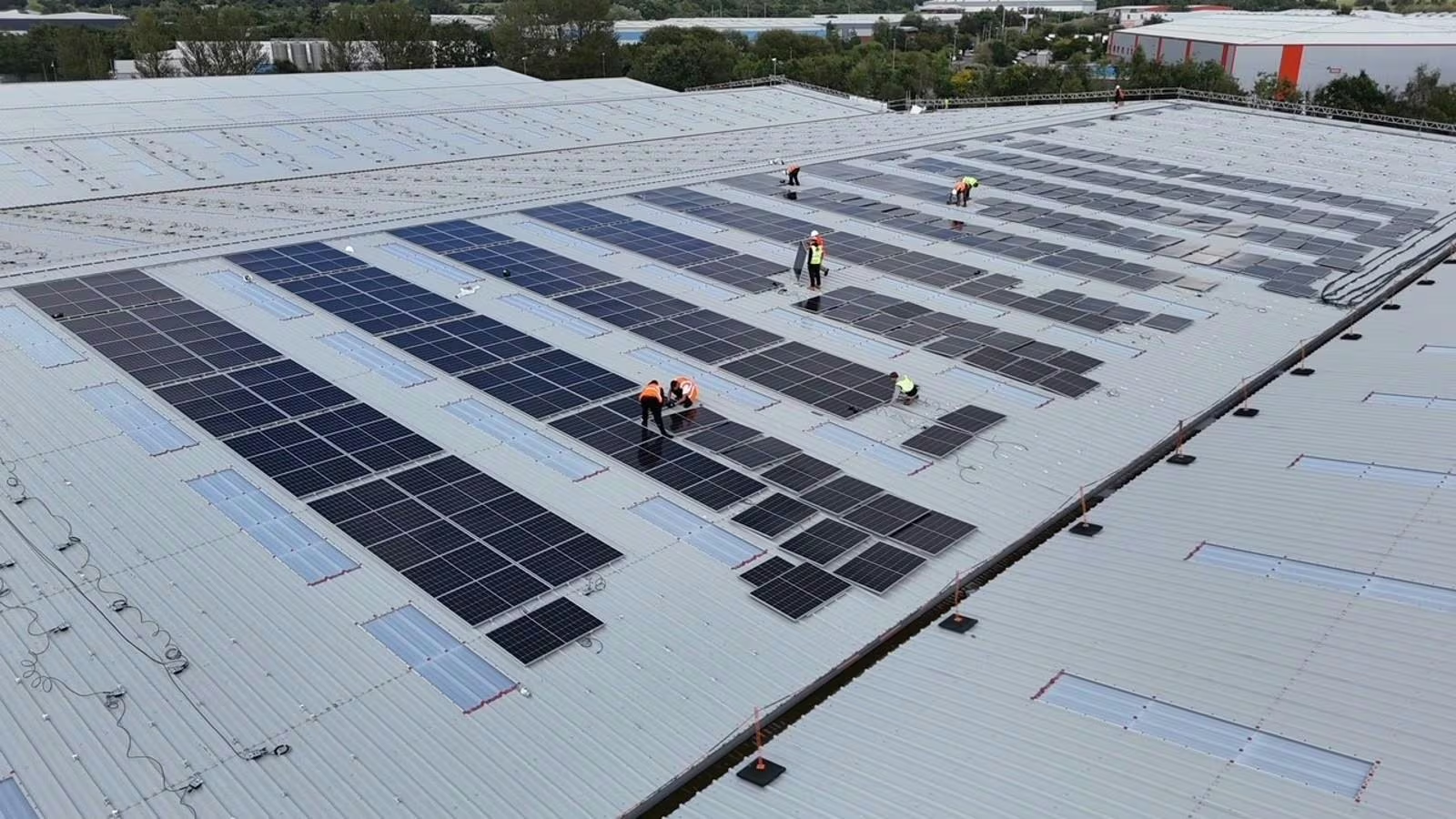
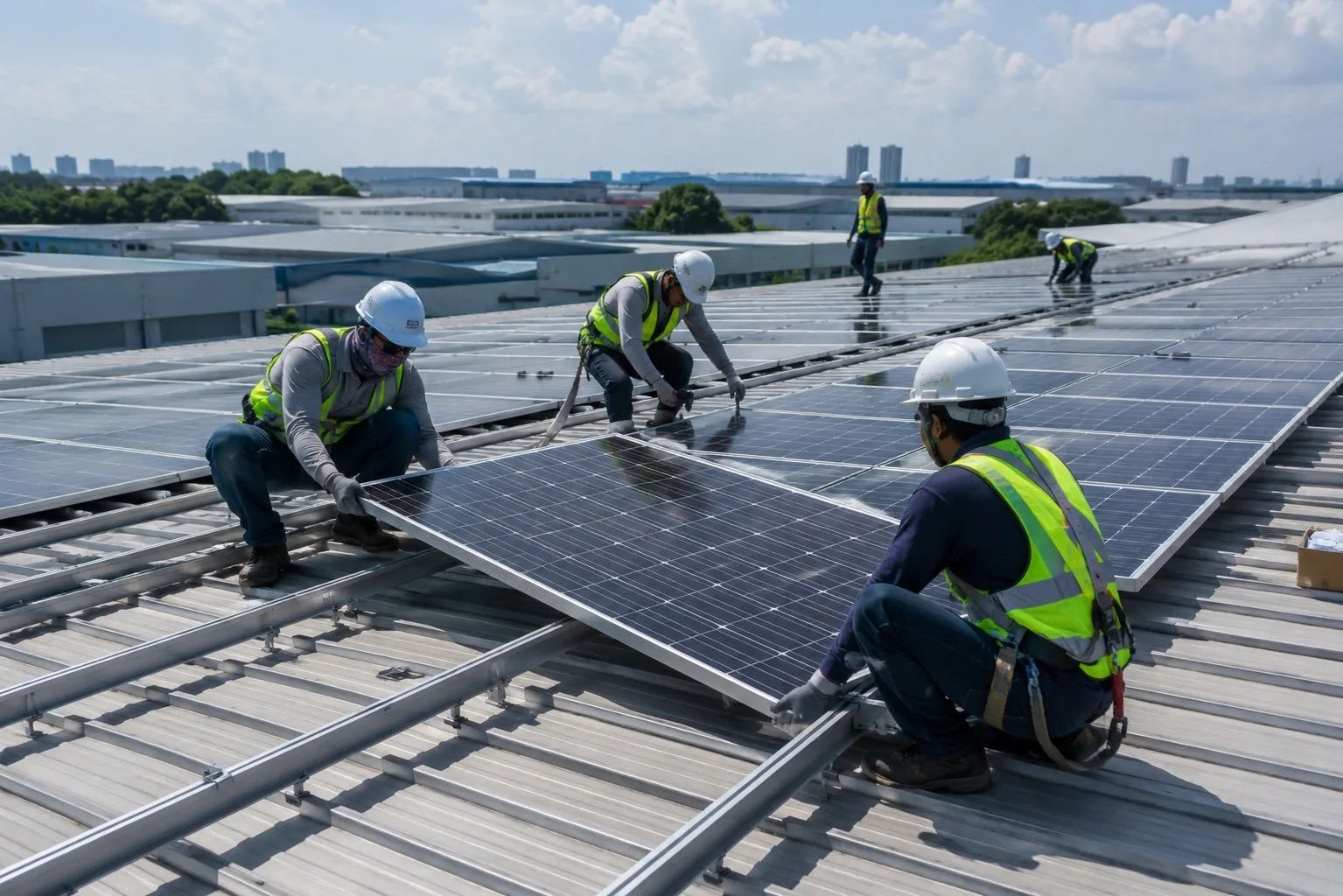
Our experienced crew handles the installation of mounting structures, solar panels and inverters, with installation scheduled outside your operating hours where possible to minimise disruption to daily operations.
Commissioning & handover
We test and commission the system to ensure everything is operating safely and as designed, then set up the monitoring system so your team can track solar generation, energy consumption, savings and overall system performance.
Key takeaway: Because EDCA delivers all four EPCC stages in-house, you deal with one accountable team from survey to switch-on, instead of coordinating a separate designer, installer, and paperwork agent on a busy plant.
What size industrial solar system does your plant need?
Quick answer: Most Malaysian industrial sites suit a system between 300 kWp and several MWp, matched to daytime load and usable roof area. The table below shows illustrative bands; your exact system is confirmed by a free EDCA site assessment. Smaller premises often overlap with commercial solar installation, while multi-block plants scale well beyond this range. System size is driven by how much power you use in daylight and how much sound roof you have, not by bill size alone.
| Facility profile | Typical monthly bill | Suggested size | Approx. roof area | Est. daily output |
|---|---|---|---|---|
| Light manufacturing / SME factory | RM30,000–80,000 | 300–600 kWp | 2,000–4,000 m² | 1,150–2,300 kWh |
| Mid-size plant / warehouse | RM80,000–200,000 | 600 kWp–1.5 MWp | 4,000–10,000 m² | 2,300–5,700 kWh |
| Heavy industry / cold storage | RM200,000–500,000 | 1.5–3 MWp | 10,000–20,000 m² | 5,700–11,500 kWh |
| Large multi-block plant | RM500,000+ | 3 MWp+ | 20,000 m²+ | 11,500 kWh+ |
Illustrative sizing based on EDCA Energy installation experience across 200+ Malaysian projects and 4+ MWp installed. Actual system sized on a free site assessment; figures are market context, not a quote.
Key takeaway: Size the array to your daytime load first, then to your roof. A right-sized industrial system captures most of your production-hours demand without paying for capacity you cannot use on-site.
The same engineering discipline behind our utility-scale plants, brought to your factory roof.
How does self-consumption drive industrial solar savings?
Quick answer: Under SelCo (self-consumption), the power your plant uses directly is worth the most because it offsets the full industrial tariff. On many industrial tariffs there is also a maximum-demand charge, so trimming your daytime peak adds a second layer of savings, which is where solar battery storage can help.
The value of an industrial system comes from three places, not one. Getting the mix right is what turns a good roof into a strong return, so it pays to understand where each ringgit of benefit comes from before you size the array.
| Value source | Share of benefit | Relative | What it means for you |
|---|---|---|---|
| Energy offset (self-use) | 70–85% | Every self-used unit offsets the full tariff | |
| Maximum-demand reduction | 10–25% | Solar trims your daytime peak charge | |
| ESG and buyer value | Strategic | Clean-energy proof for tenders and exports |
Illustrative value split based on EDCA Energy industrial monitoring. Scheme mechanics per SEDA SelCo guidance; savings confirmed on a free EDCA quote.
Key takeaway: The bulk of an industrial system’s return is energy you use on-site, but demand-charge savings and ESG value make the case stronger. Sizing to your daytime load protects all three.
What is the payback period for industrial solar?
Quick answer: A well-sized industrial solar system in Malaysia typically pays for itself in roughly three to five years, then delivers low-cost power for the rest of its 25-year life. The figure is driven by your tariff and demand charges, how much of the solar your plant uses on site and the size of the array, rather than by the kind of plant you run.
Where industrial solar payback tends to sit (illustrative)
Indicative only — the same three-to-five-year range applies whatever the plant or system size. Your own figure is modelled on a free quote.
Key takeaway: Expect payback in the three-to-five-year range for most plants, with the remaining two decades generating low-cost electricity that flows straight to your bottom line.
What incentives and routes support industrial solar in Malaysia?
Quick answer: Two tax incentives support industrial solar in Malaysia: the Green Investment Tax Allowance (GITA), worth 14.4% of the project value, and the Capital Allowance (CA), worth 24% of the project value. EDCA confirms what your company qualifies for and handles the applications as part of the EPCC scope.
Tax incentives for industrial solar
| Incentive | What it is | Value | Best for |
|---|---|---|---|
| GITA | Green Investment Tax Allowance on qualifying solar capital spending | 14.4% of the project value | Tax-paying companies buying their own system |
| CA | Capital Allowance on the solar asset | 24% of the project value | Companies with taxable profit to offset |
Incentive values as advised by EDCA Energy; programme framework per SEDA and the Energy Commission (Suruhanjaya Tenaga). Eligibility and current terms confirmed for your project during a free EDCA assessment.
Key takeaway: The incentives are GITA at 14.4% and CA at 24% of project value, both claimed against your company’s tax position, so budget the project on its own numbers and treat the allowances as the saving on top.
Want a system sized to your load?
Send us your latest TNB bill and demand profile, and we will model the right array for your plant.
Why choose EDCA for industrial solar installation?
Quick answer: EDCA Energy is a SEDA-registered (RPVSP) solar EPCC provider with 200+ completed projects and 4+ MWp installed, spanning homes and businesses to large industrial plants. One accredited team designs, builds, and commissions your industrial system end to end, and can guide you across the full range of solar solutions.
Choosing an installer for a factory roof is choosing who stands behind a 25-year asset on a live production site. The same engineering discipline EDCA applies to utility-scale plants goes into your factory roof, so your industrial system is built to a standard that holds up over decades of production.
SEDA-registered RPVSP
Accredited to design and install grid-connected solar under Malaysian rules.
Full accreditation stack
myHijau listed, Energy Commission (ST) recognised, CIDB registered, MPIA member, and a TNB partner.
Proven track record
200+ projects and 4+ MWp installed, part of a group with 500+ completed projects and 10+ MWp installed.
Genuine EPCC
Engineering, procurement, construction, and commissioning handled in-house, not subcontracted piecemeal.
Key takeaway: EDCA pairs full SEDA and industry accreditation with a real EPCC track record, so your industrial system is engineered to the same standard as its commercial and utility work.
See how a Malaysian factory cut its electricity bill with solar
Quick answer: In the short film below, IBG Manufacturing explains what happened to its monthly electricity bill after EDCA installed solar at its plant — it fell from more than RM4,000 to a little over RM1,000. It is the clearest picture of what an industrial solar installation changes month to month.
EDCA Energy customer story, published 20 August 2026 on the EDCA Energy YouTube channel. Spoken in Mandarin.
Key takeaway: The savings in the video come from self-consumption — power generated and used on the plant floor through the working day, which is exactly how industrial solar earns its keep under SelCo.
EXCELLENT Based on 10 reviews
 Posted on Google

 Jamhuri JamaluddinI had a very good experience with EDCA. I managed to install 2 solar units just in time to secure the NEM quota, and now NEM has been replaced with ATAP scheme. The whole process was smooth, and everything was explained clearly from the beginning. The team was professional and helpful throughout. My TNB bill has dropped to almost zero. Most months, I only pay the minimum charge of around RM1 to RM3, depending on my electricity usage. Depends on the kWp that you are taken. Special thanks to Julia Cheah, the sales agent who assisted me. She was excellent, friendly, knowledgeable, and always ready to help. After-sales service very excellent. Highly recommended if you’re considering going solar.Posted on Google
 Geok See OngVery informative, helpful and knowledgeable during and after installation. Many special thanks to Jass for overseeing the whole installation.Posted on Google
 Jaeden WThank you to Jass Lee for making the whole process easy and efficient. It was a pleasant experience and was made even smoother with her explanation and updates throughout the entire process, would highly recommend to anyone considering installing solar panels. - Cheryl ChongPosted on Google
 Jing Chuan安装好大概半年了才放心留言推荐,现在市面上太多太阳能公司了不懂要选哪一家,一开始找了不同人来quote 到最后选edca主要是因为他们不会乱推荐一些不适合我的产品,我看到一些quotation要加这个那个的我都怕之后很多hidden cost,对接我的salesperson - Ms Loo也很nice,很有耐心回答问题,最重要是解释起来我们外行人都可以很容易明白👍 整体来说是一次很放心的体验,如果有朋友想装太阳能,我会推荐他们。Posted on Google
 Alice LeeThe whole process was smooth and easy. The team was friendly, helpful, and quick to get everything done. Highly recommend if you're thinking about going solar
Industrial solar installation FAQ
The most common questions on industrial solar panel installation in Malaysia cover cost, timing, roof suitability, demand charges, and the current SelCo route. Short answers are below; a free EDCA assessment covers your specific plant.
How much does industrial solar cost in Malaysia?
Pricing is quote-based and depends on system size, roof type, and whether you add storage. EDCA does not publish fixed prices because every industrial site is different. A free assessment gives you an accurate figure and a modelled payback.
How long does an industrial solar installation take?
The physical installation for a large industrial system usually takes several weeks to a few months, depending on roof size and complexity. The full journey, including assessment, design, and approvals, generally runs a few months.
Will solar disrupt my production?
EDCA plans the build around your production hours to keep disruption low. Most rooftop work happens above the plant floor, and the grid connection is scheduled with your team in advance.
Can industrial solar lower my maximum-demand charge?
Often, yes. By generating power during your daytime peak, solar can trim the maximum demand TNB records, which reduces the demand portion of your bill. Adding a battery can strengthen this for shift operations.
Does my company qualify for tax incentives?
Many tax-paying companies qualify for the Green Investment Tax Allowance (GITA), worth 14.4% of the project value, and for the Capital Allowance (CA) at 24% of the project value. EDCA checks your eligibility and handles the applications as part of the project.
Get your free industrial solar quote
Industrial solar turns a large factory roof into a cost-cutting asset that matches your daytime load, trims your demand charges, and gives your buyers the clean-energy proof they now ask for. Share your latest TNB bills and our team will size the right system, model your savings, and confirm your incentives, with no obligation. The best time to check your roof is today, while tariffs keep climbing.